News analysis: Why are more brokers competing for brand and affinity partnerships?
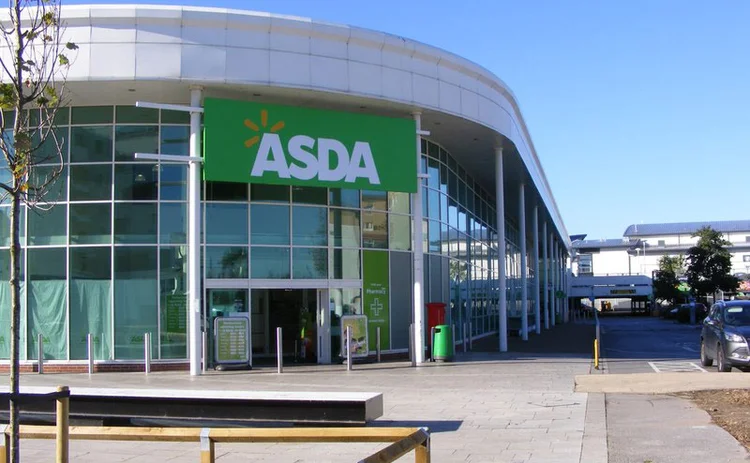
Asda superstore
Photo: Gordon Griffiths/wikimedia/https://shorturl.at/o1KN1

A number of brokers have recently announced tie-ups with household brands to distribute insurance. Ida Axling explores the benefits these affinity deals bring for intermediaries and their partners, and the prospects for future growth in the brand-insurance space.

Brands are increasingly turning to insurance to diversify their revenue streams, and brokers are vying for the business.

To highlight three examples: Everywhen has partnered with Asda Money to launch the supermarket’s first business insurance service; Superscript has teamed up with tools, accessories and building supplies provider Toolstation; and Uinsure recruited 60 new team members after securing several major partnership deals including bank, building society and other affinity partnerships.

“I’ve been in the industry for 20 years, and I can’t remember a time when there’s been so much appetite for brands to have an embedded insurance solution,” said Stephen Taylor, head of commercial at Superscript.

Outside Toolstation, the digital broker works with brands including Checkatrade, Virgin Money, and Starling, and Taylor explained partnerships are a “key pillar” for securing new clients.

For brokers, the benefits of working with brands are many, but speaking to experts, it’s clear that the main perk is that it opens up new distribution channels.

Wider market reach

“You get access to a wider market and extended reach compared to what you would have ordinarily, and you may well have exclusive access to that customer base as well,” said Richard Webb, managing director, partnerships and affinities at Everywhen.

I’ve been in the industry for 20 years, and I can’t remember a time when there’s been so much appetite for brands to have an embedded insurance solution
Stephen Taylor, Superscript

In addition, brokers gain a “captive audience”. Webb detailed that, particularly in some sectors where insurance requirements are more niche, brokers are often asked to provide webinars and give additional advice to customers.

He continued: “Having the opportunity to attach your brand to their brand can also be quite powerful, particularly if it’s a well-known, successful brand in the eyes of consumers.” 

Although Everywhen recently entered into a partnership with Asda Money, Webb points out that not every partnership involves big name brands.

“There’s value in dealing with more bespoke partners, like buying groups, member organisations or trade associations,” he said. “Affinity partnerships come in lots of shapes and sizes, not just what I would interpret the word ‘brand’ to mean.”

Another benefit for brokers is access to customer data which helps with targeting and personalising offers for other insurance products. In short, the brand partnership works as an introduction, with brokers then expanding the customer relationship through cross-selling.

Customer loyalty

For brands, it’s about building customer loyalty through expanding income streams and leveraging trust, and working with an expert that can manage the whole insurance value chain makes getting to market easier.

According to brokers, many brands view being able to offer insurance as a USP. The benefits include increased customer satisfaction, the potential to offer bespoke insurance products or policy wordings that aren’t otherwise available in the market, and providing added value to clients. This in turn helps them with customer retention.

“The feedback we get from our partners is that there’s comfort and confidence in their customer buying insurance through a trusted brand,” Taylor said. “In some instances, as with Checkatrade, it’s a requirement to buy insurance if you are a member. So when a new member joins, Superscript can supply the key insurance functions that are needed.”

Partnerships particularly suit the personal lines and SME sectors, but brokers note that any commoditised product is a possibility.

According to Webb, there’s “absolutely no restriction” on what type of product can work. “If you’re working with a brand that has lots of different types of customers, they’ll require lots of different types of products,” he says.

Competition

There are a few different ways in which brokers can win brand partnerships.

Larger businesses such as banks and supermarkets normally issue a tender, formally requesting brokers to submit propositions, including information around how they can help the brand and its customers, an overview of what the partnership can achieve, and the broker’s experience in the relevant sector. 

The competing brokers will be narrowed down to a shortlist, and then asked to provide more detailed formal statements, typically including commercial forecasts and time frames. Many brands will have a fixed renewal date every few years where they go through the process again, to ensure they’re working with the best insurance partner.

Hood Group has partnerships in personal lines home, travel and pet. Commercial director Bruce Reid said he usually has a good sense of who else is on the shortlist during a tender process, and remarks that he is seeing more brokers trying to compete for business.

Informal

Another common way to strike a deal is via more informal processes, such as recommendations and word-of-mouth – for example, in situations where a broker is doing something similar for another brand in the same sector.

Asked whether there is ever a conflict of interest when it comes to going after new business, Reid explains that some partners will explicitly say that they don’t want the broker to work with any of their direct competitors.

He detailed: “You could have a situation where two brands are competing in the same space and you can’t deal with both of those unless the contract allows. Sometimes they’re explicit; other times, they’re not concerned about it.”

Reid added that it often depends on the situation. If a broker is partnering with one brand on home insurance and one of its competitors wants a pet insurance proposition, it’s rarely an issue to work with both.

Market shifts

Opportunities can also arise from market shifts. In 2024, insurtech business Uinsure recruited 60 new staff after striking several major partnership deals at once. 

Group managing director Martin Schultheiss said the opportunity was a result of difficult market conditions caused by a hike in inflation combined with significant increases in weather-related claims and the introduction of the Consumer Duty. 

You get access to a wider market and extended reach compared to what you would have ordinarily, and you may well have exclusive access to that customer base as well
Richard Webb, Everywhen

As a result, insurers changed their risk appetite, and Uinsure took over several partnerships from RSA when the provider pulled out of the UK personal lines home market. These included banks and building societies, such as Bank of Ireland, Motability, Yorkshire Building Society, and Virgin Money.

“Uinsure was a very large beneficiary of that market movement and in life, sometimes timing is everything,” Schultheiss commented. 

Creating success

But an account winning is only the first step. Successful partnerships require effort from the broker, with experts highlighting agility and continuous innovation as key ingredients to making it work. 

Superscript analyses and reviews data from each of its partnerships every month to understand where and how it can optimise the customer journey, explained Taylor.

He continued: “We need to understand what is shaping buying habits in the relevant sector and how the external landscape is shaping customers’ concerns around risk and insurance. We can then engage with those to ensure that the proposition we put into market aligns with the challenges people face.” 

Meanwhile, Webb highlighted that it’s “not a one-size-fits-all solution” and points to the importance of ongoing support and understanding the changing needs of the customer base. 

The nature of brand partnerships can also vary significantly. Some brands want their partners to utilise their branding and be embedded into their customer journeys, while others introduce their customers to the broker without getting involved further.

The onus isn’t solely on the broker to make it work for all parties. Reid emphasises the importance of collaboration when it comes to everything from designing the product to the customer journey, online experience, and marketing. 

He added: “We’ve kissed a few frogs that didn’t turn into a prince or a princess. If someone is just simply lending you their brand name, you’re going to be very limited because customer acquisition is a big cost.”

Solus or panel?

Sky Protect recently moved from a solus agreement with Zurich to a panel arrangement, and experts agree this is becoming increasingly common. 

In Schultheiss’s view, panels are “the only way forward”, particularly in home insurance, where issues including insurer appetite in floodprone areas need to be taken into account to ensure all customers can get cover.

The trick is to build a panel that is targeting a wide footprint, adds Reid. “Brokers and insurers on a panel shouldn’t all be fighting with each other for the same customer risk.”

Arguably, this is where brokers can offer extra value. By partnering with a broker, a brand can get access to a panel solution without itself having to manage relationships with several different providers. Brokers also have the right relationships in place to negotiate exclusive arrangements and unique policy wordings with providers.

“Some brands want a solus solution and others are more keen on the panel approach, and the benefit of a broker is that we can flex to all different models,” Webb noted. “There are many different ways to meet the needs of that brand’s customers and we can work in partnership with them to create a bespoke solution.”

Size

While brokers and insurers sometimes compete for the same brand partnerships, Reid says insurers usually only go for certain sized accounts. He added: “Say a new brand is coming into insurance, we’ll throw our hats in the ring, but insurers might only go for established affinities.”

For brokers wanting to get in on the action, Schultheiss believes they need to take changing consumer behaviours into account and consider whether their proposition is fit for purpose. 

He assessed that the broker should be “doing the heavy lifting” for the affinity partner, through combining knowledge of how people want to buy insurance with what the brand wants to achieve. 

“Customers are wanting to shop in a different way, and they’re looking for new ways to engage and a very different type of proposition than they were before,” he concluded.

For all the latest industry news direct to your inbox, sign up for our daily newsletter.

Only users who have a paid subscription or are part of a corporate subscription are able to print or copy content.

To access these options, along with all other subscription benefits, please contact info@insuranceage.co.uk or view our subscription options here: https://subscriptions.insuranceage.co.uk/subscribe

You are currently unable to copy this content. Please contact info@insuranceage.co.uk to find out more.

Hiscox grows UK book even faster in 2025

Hiscox’s growth momentum has accelerated again in the UK, with the insurer excited about its results and even “more excited about the future” with brokers, according to group chief underwriting officer Joanne Musselle.

Most read articles loading...

You need to sign in to use this feature. If you don’t have an Insurance Age account, please register now.

Sign in
You are currently on corporate access.

To use this feature you will need an individual account. If you have one already please sign in.

Sign in.

Alternatively you can request an indvidual account here: