

Interview - Xavier Denecker: Trading ahead
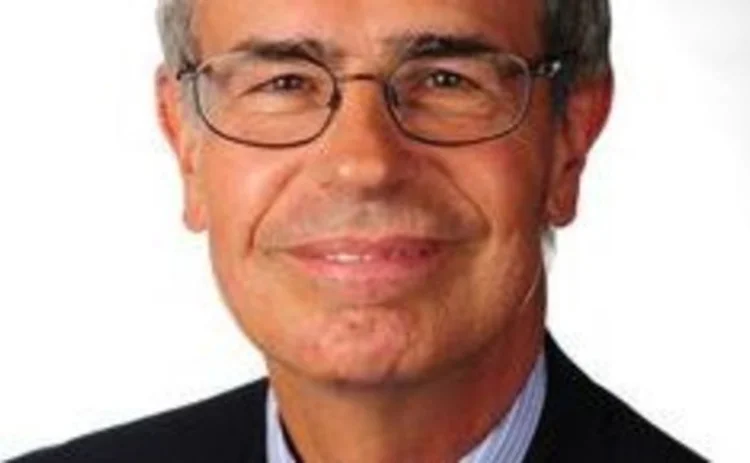

Emmanuel Kenning questions Xavier Denecker, managing director of Coface UK and Ireland, about what the future holds for the multi-billion pound trade credit insurance industry.
Since the credit crunch, it has been all hands on deck for Denecker, who is at the forefront of changing the UK's trade credit insurance model. He admits that the events surrounding the failure of Lehman Brothers in September 2008 were remarkable: "Within weeks, we were faced with a dramatic increase in the cost of risk. From one moment to another, companies that were rated as investment grade moved to non-investment grade."
Trade credit insurers were stuck with a structure based on fixed pricing over the duration of the contract and based on the turnover of clients. The consequence was that they acted on the flexible parameter that was at their disposal: credit limits. Some clients felt their cover was being indiscriminately withdrawn and, as Denecker accepts, became "frustrated".
In the UK, the government tried to step in and, while he applauds the effort as "wise and useful" during a time of "freefall", Denecker also feels it was not a problem of capacity, more "one of correct pricing of a risk the cost of which was rising extremely high".
At its conference in January, Coface's chief executive officer, Jéromes Cazes, stated that credit insurance was still only insuring part of what it could and that a different business model was needed to increase the target population.
Denecker explains: "We consider that if we want credit insurance to remain a valid solution for companies and to have more of them using it then we need to have more flexibility and transparency.
"We are now displaying, along with the credit limit, the score of each buyer, which is to say the value that we are prepared to cover for this buyer and the probability of default." He accepts that clients may disagree with some ratings and knows the insurer will have to be open to discussion and revision.
Challenging task
This added transparency is expected to be completed shortly. Denecker admits that the second stage of adding flexibility, creating the ability to match ongoing cover to fluctuating risks of default, is further off because of the information technology issues that it raises.
He says: "We will have this kind of tunnel of risk-weighted exposure defined policy by policy. If we move a buyer from a good category to a very bad one, the risk weighted exposure goes up. In the future, we will say to our clients 'your exposure is no longer what it should have been in the contract, so let us talk again about the price. Do you prefer to either stay with a very low limit or pay a bit more to have this limit partly or totally reinstalled?'"
This second step is due to be launched, client by client, by the end of this year. In theory, a client moving outside its 'tunnel' due to changes in the rating of its buyers could find its premiums being reduced as readily as increased.
With the economy still in flux, Denecker refutes the allegation that some companies cannot purchase trade credit insurance because of their sector. He says: "There are good, sound companies in very bad sectors and there are horrible companies in sectors that normally are good."
French-owned Coface - which has more than 100 UK brokers on its books - announced in 2009 its first ever group operating loss: 249m euros. Denecker is confident that last year's result will not be repeated, saying that those clients that left the company in 2009 through moving to self-insurance, going under or joining a competitor, have been replaced and that 18 months of restructuring prices means that the company is profitable.
Denecker declines to be drawn on the rumours circulating that its investment bank owner, Natixis, is planning to divest itself of the company by selling it or partially floating it on the French stock exchange. He stresses that, despite the tough market, the future is bright.
He comments: "We do think that, with this [new] system, we will really avoid repetition of the problems we had during the crisis."
Only users who have a paid subscription or are part of a corporate subscription are able to print or copy content.
To access these options, along with all other subscription benefits, please contact info@insuranceage.co.uk or view our subscription options here: https://subscriptions.insuranceage.co.uk/subscribe
You are currently unable to print this content. Please contact info@insuranceage.co.uk to find out more.
You are currently unable to copy this content. Please contact info@insuranceage.co.uk to find out more.
Copyright Infopro Digital Limited. All rights reserved.
As outlined in our terms and conditions, https://www.infopro-digital.com/terms-and-conditions/subscriptions/ (point 2.4), printing is limited to a single copy.
If you would like to purchase additional rights please email info@insuranceage.co.uk
Copyright Infopro Digital Limited. All rights reserved.
You may share this content using our article tools. As outlined in our terms and conditions, https://www.infopro-digital.com/terms-and-conditions/subscriptions/ (clause 2.4), an Authorised User may only make one copy of the materials for their own personal use. You must also comply with the restrictions in clause 2.5.
If you would like to purchase additional rights please email info@insuranceage.co.uk
More on Insurer

People Moves: 19 – 23 October 2026
Stay in the loop with the latest insurance personnel moves.

Allianz teams up with Superscript on SME commercial insurance
Allianz UK is set to provide capacity for digital insurance broker Superscript’s landlord and tradespeople propositions.

UK commercial softening approaching three year mark – Marsh
UK commercial market rates softened by 8% in the third quarter, maintaining the rate seen throughout the year and the eleventh quarterly drop in a row, according to Marsh.

Home insurance premiums fall again as Defaqto warns of claims pressures
Home insurance prices fell by 2.4% in the third quarter, with drops every month, according to the latest research by Defaqto.

Subscribe adds £5m Fortegra capacity
Subscribe MGA has secured a long-term capacity agreement with Fortegra Insurance UK.

Arch recruits Donald from Axa for Glasgow branch manager role
Arch Insurance’s UK regional division has appointed Karen Donald as branch manager of its Glasgow operations, effective immediately.

Allianz refreshes mid-market manufacturing offering
Allianz UK has continued to refresh its Commercial Select sector propositions by enhancing cover for manufacturing businesses with turnover between £10m and £1.5 bn.
Blog: Consistency could be the next big differentiator for insurers
John Dunn, managing director of Brokerbility, argues insurers willing to focus on relationships that deliver reliable and consistent positive experiences have a significant opportunity to become a partner that brokers actively want to do more business with.