

Viewpoint: The tonic the economy needed

On 22 June, Chancellor George Osborne delivered his Emergency Budget. It set out a faster reduction of the deficit than was envisaged by the previous government and, crucially, defined how the bulk of the adjustment would be achieved through lower spending rather than higher taxes.
The UK needed a faster and deeper deficit reduction package than was set out in the previous government's Budget in March; equally important to the scale of deficit reduction is the way it is done. Here again, the Chancellor chose the right route by concentrating overwhelmingly on closing the fiscal gap by lower spending instead of through higher taxation.
The Budget will not threaten economic recovery. On the contrary, it is likely to improve the economic outlook by showing that public finances are finally being brought under control.
Knowing that the deficit will come down is one less worry for companies and, together with the reductions to the main and small companies' rates of corporation tax, it will help business investment. We never expected the Chancellor to tick all the boxes on our wish lists, yet many were. Although unwelcome, the proposed changes to capital gains tax are a tolerable compromise.
A Policy Voice poll of 640 IoD members taken in the 24 hours after the Budget showed strong business support:
• 83% thought that the Emergency Budget would have a positive impact on the UK economy;
• 90% thought that the Emergency Budget had a positive impact in reducing the UK's fiscal deficit;
• 61% were more positive about the short-term economic outlook;
• 82% were more positive about the long-term economic outlook.
If the Budget's impact feeds through the system then we should see greater business optimism and, with time, higher business investment, which will help to create the wealth and jobs that the economy needs.
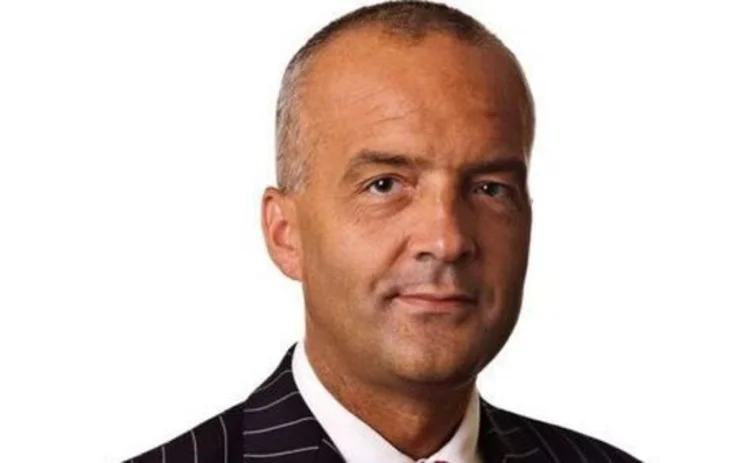
Graeme Leach, chief economist, Institute of Directors
Only users who have a paid subscription or are part of a corporate subscription are able to print or copy content.
To access these options, along with all other subscription benefits, please contact info@insuranceage.co.uk or view our subscription options here: https://subscriptions.insuranceage.co.uk/subscribe
You are currently unable to print this content. Please contact info@insuranceage.co.uk to find out more.
You are currently unable to copy this content. Please contact info@insuranceage.co.uk to find out more.
Copyright Infopro Digital Limited. All rights reserved.
As outlined in our terms and conditions, https://www.infopro-digital.com/terms-and-conditions/subscriptions/ (point 2.4), printing is limited to a single copy.
If you would like to purchase additional rights please email info@insuranceage.co.uk
Copyright Infopro Digital Limited. All rights reserved.
You may share this content using our article tools. As outlined in our terms and conditions, https://www.infopro-digital.com/terms-and-conditions/subscriptions/ (clause 2.4), an Authorised User may only make one copy of the materials for their own personal use. You must also comply with the restrictions in clause 2.5.
If you would like to purchase additional rights please email info@insuranceage.co.uk
More on Management

AUB completes Prestige deal
AUB Group has completed its acquisition of 95.9% of Prestige Insurance Holdings.

NFP buys Bspoke to expand its UK specialist insurance services
NFP, an Aon company, has purchased Bspoke Insurance Group to strengthen its existing suite of insurance solutions while expanding technical underwriting expertise and specialist product knowledge.

Yutree outlines plans after MBO
Laura Hancock, managing director of Yutree Insurance has outlined plans for the future following a management buyout, including opening an office in Norwich.

Should you sell your broking business to an Employee Ownership Trust?
Tax-efficient exit strategies and staff incentivisation have become hot topics among broker leaders since the recent increases in Capital Gains Tax and Employer National Insurance. In the second part of a series focused on the fallout from the 2024 Labour Budget, Catherine Heyes examines how broker owners can use Employee Ownership Trusts to respond to these developments.

Chaucer CUO named new CII president
Nicola Stacey, chief underwriting officer at Chaucer, has been elected the new president of the Chartered Insurance Institute.

Montagu agrees to sell Open GI to minority shareholder Ares
Ares Management is set to acquire Open GI, with the deal signed on 9 August 2024, Insurance Age can exclusively reveal.

“Nobody came close to AUB” – CEO Cheesbrough on Movo’s new investor
The Movo Group is looking to create larger broking hubs and kickstart its directly authorised network Fusion after AUB took an 80% equity stake, according to Lea Cheesbrough, Movo Partnership CEO.
Ex-Ardonagh MD Barclay takes over as CEO of top 100 broker
Lycetts has appointed Ian Barclay to CEO, succeeding Charles Foster who is retiring after seven years in the role.