

Management Clinic: Securing the stamp of approval
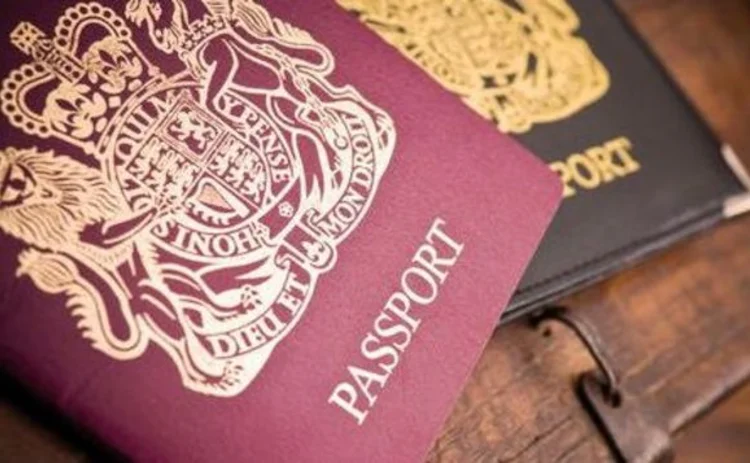

We have the opportunity to expand into Europe but, after all the bad publicity about passporting surrounding an Irish insurer recently, is it a good idea?
Let us be clear what we mean about passporting and how your situation might differ from that of a foreign insurer seeking to trade in the UK.
In essence, passporting allows you as an intermediary firm to offer financial advice to clients that are based in any of the states that make up the European Economic Area. In addition, a UK intermediary providing advice to a client located in another EEA state must satisfy the legal requirements of that state. In other words, your regulatory approval is UK-based through the Financial Services Authority but, in respect of all other laws that could be relevant to operating a business in another country, you must observe the laws of the land.
The thinking behind this approach is that if your firm has satisfied the requirements of its home state regulator then it avoids the process of starting again from scratch when expanding abroad.
Passporting is not an issue to be taken lightly. If a firm trades in an EEA state without permission, it could face criminal prosecution by that state and would also potentially suffer a serious blow to its UK regulatory status. It could bring into question the firm's ability to manage its affairs in accordance with FSA principles and also whether the firm's approved persons were exercising sufficient controls or not. The FSA would be less than impressed if it found that a regulated firm had set up in another country without either passporting or obtaining permission from the other country's regulator.
If your firm is operating only in general insurance then you will need only the Insurance Mediation Directive passport. Under this process, the FSA has one month to inform the host state's regulator of the firm's intention to passport; the UK watchdog will at the same time inform the firm that it has made the necessary notification. The firm may start business one month after the date it was informed by the FSA of the notification referred to above.
It is worth bearing in mind that, while applying for passporting is a straightforward process and does not cost, once given, a firm must then abide by the regulatory rules of the state in which it trades. For instance, in Ireland, you must abide by the Irish financial services code, which is an extensive and complicated set of rules to say the least. So, while you are able to trade by means of approval by your home state, you must do so within the rules of the host country.
You can apply for an all-states passport or just a passport for individual states. There is plenty of information on the FSA website.
One important point to remember is that any broker arranging insurance cover for UK clients' overseas holiday homes need not worry. Although the insured property is overseas, if you are arranging cover through a UK-based provider, you are not trading in that country. It is only when you are trading in an EEA-listed country (for example by setting up an office, having staff there or having the ability to place cover in that country) that passporting becomes a requirement.
Ian Richie, director, RWA Group
Click here to find out more on passporting from the FSA website.
Only users who have a paid subscription or are part of a corporate subscription are able to print or copy content.
To access these options, along with all other subscription benefits, please contact info@insuranceage.co.uk or view our subscription options here: https://subscriptions.insuranceage.co.uk/subscribe
You are currently unable to print this content. Please contact info@insuranceage.co.uk to find out more.
You are currently unable to copy this content. Please contact info@insuranceage.co.uk to find out more.
Copyright Infopro Digital Limited. All rights reserved.
As outlined in our terms and conditions, https://www.infopro-digital.com/terms-and-conditions/subscriptions/ (point 2.4), printing is limited to a single copy.
If you would like to purchase additional rights please email info@insuranceage.co.uk
Copyright Infopro Digital Limited. All rights reserved.
You may share this content using our article tools. As outlined in our terms and conditions, https://www.infopro-digital.com/terms-and-conditions/subscriptions/ (clause 2.4), an Authorised User may only make one copy of the materials for their own personal use. You must also comply with the restrictions in clause 2.5.
If you would like to purchase additional rights please email info@insuranceage.co.uk
More on Management

AUB completes Prestige deal
AUB Group has completed its acquisition of 95.9% of Prestige Insurance Holdings.

NFP buys Bspoke to expand its UK specialist insurance services
NFP, an Aon company, has purchased Bspoke Insurance Group to strengthen its existing suite of insurance solutions while expanding technical underwriting expertise and specialist product knowledge.

Yutree outlines plans after MBO
Laura Hancock, managing director of Yutree Insurance has outlined plans for the future following a management buyout, including opening an office in Norwich.

Should you sell your broking business to an Employee Ownership Trust?
Tax-efficient exit strategies and staff incentivisation have become hot topics among broker leaders since the recent increases in Capital Gains Tax and Employer National Insurance. In the second part of a series focused on the fallout from the 2024 Labour Budget, Catherine Heyes examines how broker owners can use Employee Ownership Trusts to respond to these developments.

Chaucer CUO named new CII president
Nicola Stacey, chief underwriting officer at Chaucer, has been elected the new president of the Chartered Insurance Institute.

Montagu agrees to sell Open GI to minority shareholder Ares
Ares Management is set to acquire Open GI, with the deal signed on 9 August 2024, Insurance Age can exclusively reveal.

“Nobody came close to AUB” – CEO Cheesbrough on Movo’s new investor
The Movo Group is looking to create larger broking hubs and kickstart its directly authorised network Fusion after AUB took an 80% equity stake, according to Lea Cheesbrough, Movo Partnership CEO.

Ex-Ardonagh MD Barclay takes over as CEO of top 100 broker
Lycetts has appointed Ian Barclay to CEO, succeeding Charles Foster who is retiring after seven years in the role.