

Super cruising

Mike Wimbridge gives the lowdown on the superyachts that are fast rising up the shopping lists of the growing number of multi-millionaires around the world
There appears to be little doubt that one of the biggest status symbols to possess, next to a private jet, remains a luxury yacht. With the number of very large yachts increasing rapidly, it is only those that exceed 65 metres that really stand out from the crowd, particularly as yachts of this size are built on individual commissions and generally cost far more than the owners' homes on land.
As a result the superyacht market continues to grow rapidly, with yards around the world full of newbuilds under construction. It is difficult to establish precise numbers, but between 400 and 500 vessels of over 30 metres in length are under construction at any one time, and there are a number of new yards looking to enter the market.
Emerging markets such as Turkey and China are focusing closely on the superyacht sector, with the latter in particular looking to grow significantly in this area. It is believed the ambition in these markets is to become the world centre for building luxury yachts in the next five to ten years. For those that need to ask, a new custom-built 30 metre yacht from a recognised builder starts at around £4m, but such is the demand that even if you were to order one today you would not receive it until 2011 at the earliest.
Added extras
Today's superyacht is not complete without a full range of accessories, the price tag for each of which can be fairly high. Tenders, for instance, can be custom-built and in the case of super-yachts they can represent a substantial part of the value, at its extreme around £0.5m for each vessel. Other toys include helicopters with landing facilities on board the parent vessel, sports fishing vessels, sailing dinghies, jetskis, float planes and even submarines.
For many owners their yacht is an extension of their home and so it is likely to be furnished accordingly. As well as expensive furniture, carpets and wall coverings, it may well contain valuable artwork and personal effects that may not always be on board but instead are moved from home to yacht and back again. Knowing what it is worth, where it is and what policy it is covered under is a complex question, and one that needs to be addressed appropriately.
Itineraries are also a key consideration as yachts are becoming larger and their owners more adventurous, resulting in the distances they sail in any one trip increasing. It is not unusual to see owners planning trips to the Galapagos Islands or Alaska and this can pose a number of different insurance issues that need to be considered.
Different parts of the world have their own liability regimes and knowing what cover is required where is very important. For example, in some countries around the Mediterranean evidence of liability insurance needs to be on board, while areas of outstanding natural beauty will require a special certificate.
Larger vessels mean bigger fuel tanks and that exacerbates the ever-present concern over pollution and environmental damage. Vessels of over 300 tonnes gross weight or 30 metres in length require a Certificate of Financial Responsibility and the pledge of $500,000 to cover any possible pollution clean-up. This needs to be arranged separately and is not usually covered by a vessel's liability insurance. This in particular will require some forward planning since only certain insurers are acceptable to the US Coast Guard.
A wide range of exposures
Insuring these valuable vessels is anything but plain sailing, with broker and buyer alike needing to be aware of the full range of risks that need to be considered. Owning an asset worth more than £5m certainly poses a substantial risk for the hull and machinery.
Superyachts are becoming greatly sophisticated, with more powerful engines, state-of-the-art interiors, expensive paint finishes and complex on-board technology - including missile detection systems in some cases - being bought as owners look to outdo their neighbours in the harbour. All this means that if an accident does happen, the costs of repair are substantial.
One of the most common causes of hull claims is a collision involving submerged objects. A recent example occurred in Cannes when a £100m yacht hit a submerged rocky outcrop near the port and ran aground, sparking a beach pollution alert. These objects need not always be stationary to cause substantial damage, as in the case of freight containers that have fallen overboard from a cargo ship and float just below the surface. Another continuing claims trend has seen the Ribs in excess of 10 metres long lost while being towed behind the main vessel.
It is not just the cost of repair that needs to be considered. The sailing season is often short and owners have limited free time, so there is considerable pressure to get the boat back in the water after an accident as quickly as possible. With order books very full and yards often booked up years in advance, capacity for repairs is scarce and this drives up the cost of any claim. In addition to the repair cost, the salvage costs can be huge for a yacht that is worth tens of millions of dollars.
The right people
One of the most pressing issues in the superyacht market today is staffing. With more boats being built and those boats growing in size, more crew members are required. Recent estimates suggested that some 4,200 extra crew would be required for the 2007 season and even more in 2008, so the word on the recruitment market is that a staffing crisis cannot be far off.
The experience of the skipper is a key component in the underwriter's assessment of the risk profile of a vessel and there appears to be critical shortage of trained skippers, deck crew and engineers in particular - a vital skill set in the larger more sophisticated vessels. The skills required on board are broadening too as wealthy owners want and need to be able to run their business concerns from the yacht, and technological advances make that entirely possible. However, as the machinery becomes more sophisticated the crew needs to ensure that it is up to speed on cutting-edge technology. The result is that insurers are keen to know the background and track record of the key staff members and know that the right skills are available on board.
Attracting and retaining staff is also very important and insurance has its part to play in this. For example, providing liability insurance for all staff as part of their packages can be a valuable and attractive benefit, as can crew medical coverage. With many staff not having permanent homes, coverage that protects them for the time they spend off the boat and on holiday can be an added incentive in a competitive labour market.
Running into trouble
In the event that all is not plain sailing, owners need to be assured that their insurer is able to handle their problems and claims in a way that is appropriate to such a high net worth market. The speed of response is critical and a high degree of proactivity is just as important before an event occurs as it is afterwards. For example, where adverse weather threatens assistance in alerting the clients to potential risks, offering advice on avoiding action or giving physical help is a key part of the package. Equally, as boats travel further afield a genuinely global network of offices offering round-the-clock support can be a key factor when looking at potential underwriters.
Mike Wimbridge, Senior yacht underwriter, AIG Europe (UK)
Key Facts
- Over the last eight years the number of high net worth individuals worldwide with liquid assets of $1m has risen to 8.3m.
- Around 5,000 superyachts have been built
- The market is expanding by around 10% a year
- The world's largest privately owned vessel, The Eclipse, measures 550ft and is currently under construction in Hamburg.
- All UK marine policies refer to the Marine Insurance Act (1906)
Key Questions
- Contents: What is in the boat, both on a permanent basis and for specific trips? Is art going to be moved from a home to the vessel? What personal effects are likely to be on board?
- Competence: Who is the skipper? Do they have a claims history, and what formal qualifications do they have covering what time period?
- Cruising: The question of where is it going to be used and for how long throws up a whole range of issues. The Caribbean may be an ideal sailing location but it is also prone to severe weather events like hurricanes. While the starting position may be that the yacht would not be covered in an area with high weather-related risk, there are steps that can be taken to mitigate that fact, for example by having a hurricane plan or having a berth booked in a safe location and agreed risk management procedures. Liability issues are also important.
- Chartering: Will the yacht be available for bona fide charters for more than one week at a time in the usual course of events?
Only users who have a paid subscription or are part of a corporate subscription are able to print or copy content.
To access these options, along with all other subscription benefits, please contact info@insuranceage.co.uk or view our subscription options here: https://subscriptions.insuranceage.co.uk/subscribe
You are currently unable to print this content. Please contact info@insuranceage.co.uk to find out more.
You are currently unable to copy this content. Please contact info@insuranceage.co.uk to find out more.
Copyright Infopro Digital Limited. All rights reserved.
As outlined in our terms and conditions, https://www.infopro-digital.com/terms-and-conditions/subscriptions/ (point 2.4), printing is limited to a single copy.
If you would like to purchase additional rights please email info@insuranceage.co.uk
Copyright Infopro Digital Limited. All rights reserved.
You may share this content using our article tools. As outlined in our terms and conditions, https://www.infopro-digital.com/terms-and-conditions/subscriptions/ (clause 2.4), an Authorised User may only make one copy of the materials for their own personal use. You must also comply with the restrictions in clause 2.5.
If you would like to purchase additional rights please email info@insuranceage.co.uk
More on Management

AUB completes Prestige deal
AUB Group has completed its acquisition of 95.9% of Prestige Insurance Holdings.

NFP buys Bspoke to expand its UK specialist insurance services
NFP, an Aon company, has purchased Bspoke Insurance Group to strengthen its existing suite of insurance solutions while expanding technical underwriting expertise and specialist product knowledge.
Yutree outlines plans after MBO
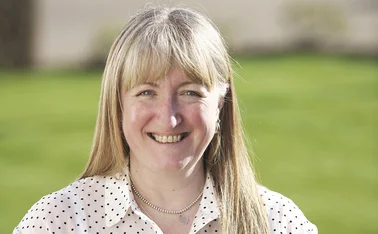
Laura Hancock, managing director of Yutree Insurance has outlined plans for the future following a management buyout, including opening an office in Norwich.

Should you sell your broking business to an Employee Ownership Trust?
Tax-efficient exit strategies and staff incentivisation have become hot topics among broker leaders since the recent increases in Capital Gains Tax and Employer National Insurance. In the second part of a series focused on the fallout from the 2024 Labour Budget, Catherine Heyes examines how broker owners can use Employee Ownership Trusts to respond to these developments.
Chaucer CUO named new CII president
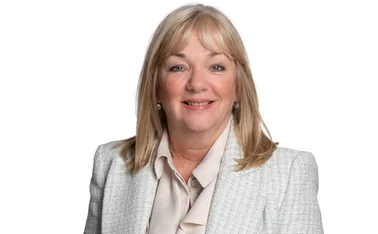
Nicola Stacey, chief underwriting officer at Chaucer, has been elected the new president of the Chartered Insurance Institute.

Montagu agrees to sell Open GI to minority shareholder Ares
Ares Management is set to acquire Open GI, with the deal signed on 9 August 2024, Insurance Age can exclusively reveal.

“Nobody came close to AUB” – CEO Cheesbrough on Movo’s new investor
The Movo Group is looking to create larger broking hubs and kickstart its directly authorised network Fusion after AUB took an 80% equity stake, according to Lea Cheesbrough, Movo Partnership CEO.
Ex-Ardonagh MD Barclay takes over as CEO of top 100 broker
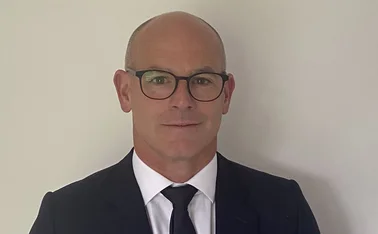
Lycetts has appointed Ian Barclay to CEO, succeeding Charles Foster who is retiring after seven years in the role.