

Corporate manslaughter - Counting the cost of corporate manslaughter

The first prosecution under The Corporate Manslaughter Act (2007) serves as a timely reminder for brokers to review the extent of their clients' cover, regardless of the company's size
Just over a year since The Corporate Manslaughter Act (2007) came into force, the Crown Prosecution Service has brought its first corporate manslaughter prosecution, against Cotswold Geotechnical Holdings, a small, family-run business. The prosecution of the geological survey company followed the death of an employee, Alexander Wright, a junior geologist who was crushed to death when the sides of an excavated pit collapsed while he was collecting soil samples. One of the company's directors is to face prosecution for gross-negligence manslaughter.
When the new corporate manslaughter offence was introduced last April, its primary target was organisations that were responsible for major disasters. However, as this case demonstrates, it applies to almost all organisations, regardless of size, where they are employers or occupiers or undertaking commercial activity.
The news of this first prosecution should serve as an immediate reminder for brokers to check that their employer clients review who and what is covered under their liability policies, as well as the extent of that cover.
For example, do the defence costs covers include corporate manslaughter investigations and prosecutions? Do they cover appeals against conviction or sentence? Are employees, as well as officers and directors, covered under employer's or any directors' and officers' policies should they need individual representation. Also, are the indemnity limits sufficient for this? Furthermore, are directors covered for directors' disqualification proceedings? What about professional disciplinary proceedings that may be brought following a conviction of an individual?
Under the Act, an organisation is guilty of corporate manslaughter if the way in which it manages or organises its activities causes a person's death and amounts to a gross breach of a relevant duty of care to the person that has died; a substantial part of the failure must be found at senior level. Penalties on being convicted of corporate manslaughter include an unlimited fine, which the Sentencing Advisory Panel has recommended should be linked to the company's annual turnover and range from 2.5% to 10% depending on the circumstances. In addition, the courts can make remedial orders to rectify the failures and can impose publicity orders, whereby businesses must advertise their conviction, including the offence and the fine. This could be on television, in the newspapers or on the company's website and so such adverse publicity may be more damaging than the fine itself.
Since April 2008, the Health and Safety Executive has recorded 228 fatal accidents at work, so it is likely that other corporate manslaughter investigations are currently underway that might result in prosecution. In the highly charged atmosphere that follows a major disaster, employers and directors need to know that they have the appropriate insurances in place.
Brokers will also want to ensure that clients take the opportunity to re-examine and ensure the adequacy and implementation of their management systems and health and safety procedures.
Andrew Stokes, partner and head of the safety, health and environment group, Beachcroft.
Only users who have a paid subscription or are part of a corporate subscription are able to print or copy content.
To access these options, along with all other subscription benefits, please contact info@insuranceage.co.uk or view our subscription options here: https://subscriptions.insuranceage.co.uk/subscribe
You are currently unable to print this content. Please contact info@insuranceage.co.uk to find out more.
You are currently unable to copy this content. Please contact info@insuranceage.co.uk to find out more.
Copyright Infopro Digital Limited. All rights reserved.
As outlined in our terms and conditions, https://www.infopro-digital.com/terms-and-conditions/subscriptions/ (point 2.4), printing is limited to a single copy.
If you would like to purchase additional rights please email info@insuranceage.co.uk
Copyright Infopro Digital Limited. All rights reserved.
You may share this content using our article tools. As outlined in our terms and conditions, https://www.infopro-digital.com/terms-and-conditions/subscriptions/ (clause 2.4), an Authorised User may only make one copy of the materials for their own personal use. You must also comply with the restrictions in clause 2.5.
If you would like to purchase additional rights please email info@insuranceage.co.uk
More on Management

AUB completes Prestige deal
AUB Group has completed its acquisition of 95.9% of Prestige Insurance Holdings.

NFP buys Bspoke to expand its UK specialist insurance services
NFP, an Aon company, has purchased Bspoke Insurance Group to strengthen its existing suite of insurance solutions while expanding technical underwriting expertise and specialist product knowledge.
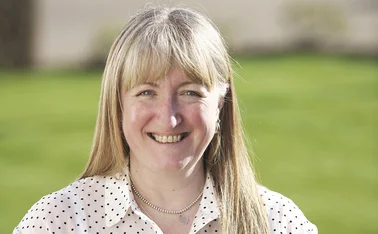
Yutree outlines plans after MBO
Laura Hancock, managing director of Yutree Insurance has outlined plans for the future following a management buyout, including opening an office in Norwich.

Should you sell your broking business to an Employee Ownership Trust?
Tax-efficient exit strategies and staff incentivisation have become hot topics among broker leaders since the recent increases in Capital Gains Tax and Employer National Insurance. In the second part of a series focused on the fallout from the 2024 Labour Budget, Catherine Heyes examines how broker owners can use Employee Ownership Trusts to respond to these developments.
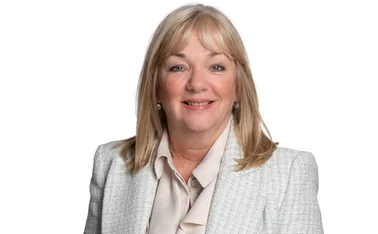
Chaucer CUO named new CII president
Nicola Stacey, chief underwriting officer at Chaucer, has been elected the new president of the Chartered Insurance Institute.

Montagu agrees to sell Open GI to minority shareholder Ares
Ares Management is set to acquire Open GI, with the deal signed on 9 August 2024, Insurance Age can exclusively reveal.

“Nobody came close to AUB” – CEO Cheesbrough on Movo’s new investor
The Movo Group is looking to create larger broking hubs and kickstart its directly authorised network Fusion after AUB took an 80% equity stake, according to Lea Cheesbrough, Movo Partnership CEO.
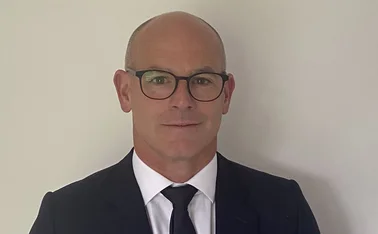
Ex-Ardonagh MD Barclay takes over as CEO of top 100 broker
Lycetts has appointed Ian Barclay to CEO, succeeding Charles Foster who is retiring after seven years in the role.