Cases such as the 'NatWest Three' have left an impression on the minds of many directors but are they prepared for the risk that lies with modern-day business dealings? Mark Shreeve promotes the use of directors' and officers' insurance as a cost worth bearing
The importance of obtaining directors' and officers' (D&O) insurance is unquestionable, especially when considering the UK's top FTSE 500 companies. At this level, however, D&O business is more about churn than growth potential and, as a result, insurance firms are increasingly seeking D&O opportunities within new markets.
One market that is being targeted as a potential growth area is the small to medium-sized enterprise (SME) sector. The sheer number of businesses operating within this sector means that is still relatively untapped, and D&O insurers have started to focus their efforts on obtaining a share of the market. However, just how effective has the insurance industry been in engaging with the SME sector about the importance of D&O cover?
According to a recent survey of 100 SME owners by Angel Underwriting, it would seem that awareness of D&O cover within the SME sector is extremely low, with 94% of those questioned lacking cover. So why is there such a low take-up of D&O?
The Angel survey suggests that brokers across the UK have a key role to play in developing the D&O market, with almost half of SMEs buying business insurance products direct from local brokers. Other respondents bought their cover through a range of sources, including banks, online or, in the case of franchises, cover was purchased by their head office.
Furthermore, 68% of participants were totally unaware of D&O cover, which is a concerning figure given the risks in today's business environment. In fact, of those who had purchased insurance via their bank or direct through a large insurer, none had either heard of - or bought - D&O cover.
Some commentators argue that smaller firms face a higher likelihood of litigation than larger companies, because they have less stringent processes in place. However, it is interesting to note that 93% of the survey's respondents believe they are living in an increasingly litigious society. Clearly, there is knowledge and awareness about the increased risks faced by businesses, yet the majority do not realise they can purchase cover that will protect them in the event of a claim.
Keen pricing
Price is no longer a barrier to providing - and purchasing - D&O cover at the SME level. Historically, major stock market corrections in the US have made big losses, and insurers have responded by cutting back on capacity and increasing premiums. However, stock markets have been on an upward trend for some time now, and - alongside improving corporate governance - many believe this led to 2006 having the lowest number of securities class actions filed since 1996.
Unsurprisingly, this has translated into increased capacity and reduced premiums. For example, Tillinghast-Towers Perrin reported an average 10% decrease in D&O premiums for quoted companies for the year 2005/6 - UK insurers are keen to expand and, as a result, pricing is competitive.
The impact of the 'NatWest Three' - as well as the US administration's determination to come down hard on white collar crime - has struck a chord with thousands of UK directors whose companies have business dealings in the US.
There is also a growing realisation that negotiating contracts, signing documents such as annual reports that are later alleged to be fraudulent or frequent business trips to the US may well be sufficient for a US court to establish jurisdiction. Consequently, D&O is essential protection for directors, and represents extremely good value.
In addition to the growing litigation culture, brokers may also want to remind clients about the rising risks of financial crime. Identity theft is big news at the moment, and it has featured heavily in the press. The UK government estimates it costs the economy some £1.7bn a year, with fraudsters using personal details to gain access to bank accounts, run-up bills, launder money, create false documents - for example, passports or birth certificates - and carry out benefit fraud.
However, while many believe this may only relate to individuals, corporate identity fraud can affect any business. This type of fraud is one of the fastest growing crimes in the US, and often it does not take long for a trend that has developed overseas to arrive in the UK. Corporate identity fraud can also affect businesses of all types and sizes, and, as a result, the Home Office has started to monitor the problem.
In Angel Underwriting's survey, businesses were questioned over the growing threat of corporate identity fraud. Some 72% said they were not aware of this fraud, and only 28% said they were aware of the threat.
Similarly, when asked if they were concerned about the threat this posed, only 22% said they were worried, while 78% felt they were not threatened. Clearly, the insurance industry needs to do more to explain corporate identity fraud and the risks associated with this crime.
Risk of stolen assets
While it may seem unlikely, fraudsters can change the registered office and directors of a company, and so they are able to effectively steal a firm's identity. They simply need to lodge forged forms at Companies House, which often does not have the resources to check that documents are genuine.
By the time a genuine business discovers there is a problem, it may well be too late, and the company's assets may have been stolen - and bank accounts emptied - by those who have fraudulently appointed themselves as directors of the company. Problems are likely to snowball further, as fraudsters are able to order goods on credit, with the genuine company likely to be sued for payment.
Sorting out the aftermath is also far from straightforward and, as this is a relatively new crime, there are limited resources to tackle it. The subsequent fall-out of such a situation could also leave an affected business with a damaged credit history and ongoing legal action.
Apart from covering legal costs, D&O protection involves working with Companies House so there is early awareness of submitted changes to documents - such as to a registered office or board of directors. Other areas that could be targeted by fraudsters are newly filed accounts, annual returns or changes to the share capital. Once a change has been spotted, these can be quickly checked out to ensure their provenance.
There are a host of reasons why brokers should be talking to SME businesses about D&O cover - but they need to get the right message across. There is no point in presenting a product that is complicated, involving long wordings and covering sums insured that are too high, which then impacts on the price.
Most businesses within the SME sector are not going to need multi-million indemnity limits, with around £500,000 probably being sufficient. Underwriters can also help by not offering over-complicated wordings or extensions. So, while D&O cover is a hot topic in the insurance sector, more needs to be done to take this product out into the market. The business environment is changing, and companies of all sizes can now buy cover - they just need to know about it.
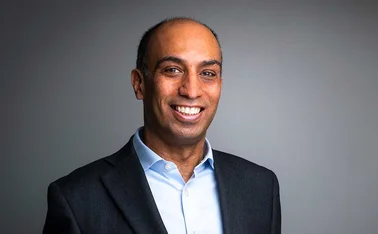
- Mark Shreeve is ceo of Angel Underwriting.
Recent comments
Most read
Most commented
Related white papers
Related articles
Interview
Distribution, European influence and a united voice for insurance are just some of the key areas new Biba chairman Andy Homer......
Quote of the week
Polly C
Polly’s attention has been drawn to a tricky situation facing brokers and their insurer accounts.
|
Read the latest edition of Insurance Age as a digital interactive e-book. Dont miss out - register now to receive a FREE digital edition of Insurance Age every month |
Events
Latest white papers
Designed to stimulate new ideas, fresh thinking and innovation in the motor claims market.
The issues driving domicile have become a topic of ongoing interest to the insurance industry. This is why we decided that it was a subject worthy of some closer investigation.
Services section
Register here to apply for your complimentary subscription to Insurance Age, the leading magazine for the broking community.
Broker Expo is the annual event for the UK insurance industry, combining an exhibition showcasing almost 100 key companies with a programme of expert-led workshops to create the perfect business environment. The 2011 event will take place on 3rd November at the Ricoh Arena, Coventry.
Over 1600 users keep abreast of the latest industry news via regular tweets and discussions from the insuranceage.co.uk editorial teams on Twitter and LinkedIn. Follow the main twitter profiles, @insuranceage, @Brokingmartin, @brokingbod and @Brokingcait for opinion, viewpoints, live discussion tweets and links to articles.
We help PII brokers to find out if their clients' quality management systems reduce risk. In our experience many don't, and certification to ISO 9001 is not a reliable indicator. We can help your clients to reduce bureaucracy and make controls more effective.
Contact: Ray Murphy on 0208 673 5740 email: info@enigmaqpm.com web: www.enigmaqpm.com
InsuranceAge.co.uk is the only site dedicated to the UK broking community. To advertise your scheme, service or any upcoming events in this space to over 25,000 users viewing this page every month contact Chris Finnegan on 020 7316 9632.